




When Physical Access Becomes a Cybersecurity Risk in Banking
In banking, cybersecurity no longer stops at the boundaries of the information system. As financial institutions deploy increasingly sophisticated security measures to protect their digital environments, one critical link remains: controlling who is authorized to physically access critical infrastructure.
Data centers, server rooms, branches, technical facilities, and restricted areas are all part of a bank’s security perimeter. Unauthorized physical access can become the starting point for a cyber compromise, data breach, or business disruption.
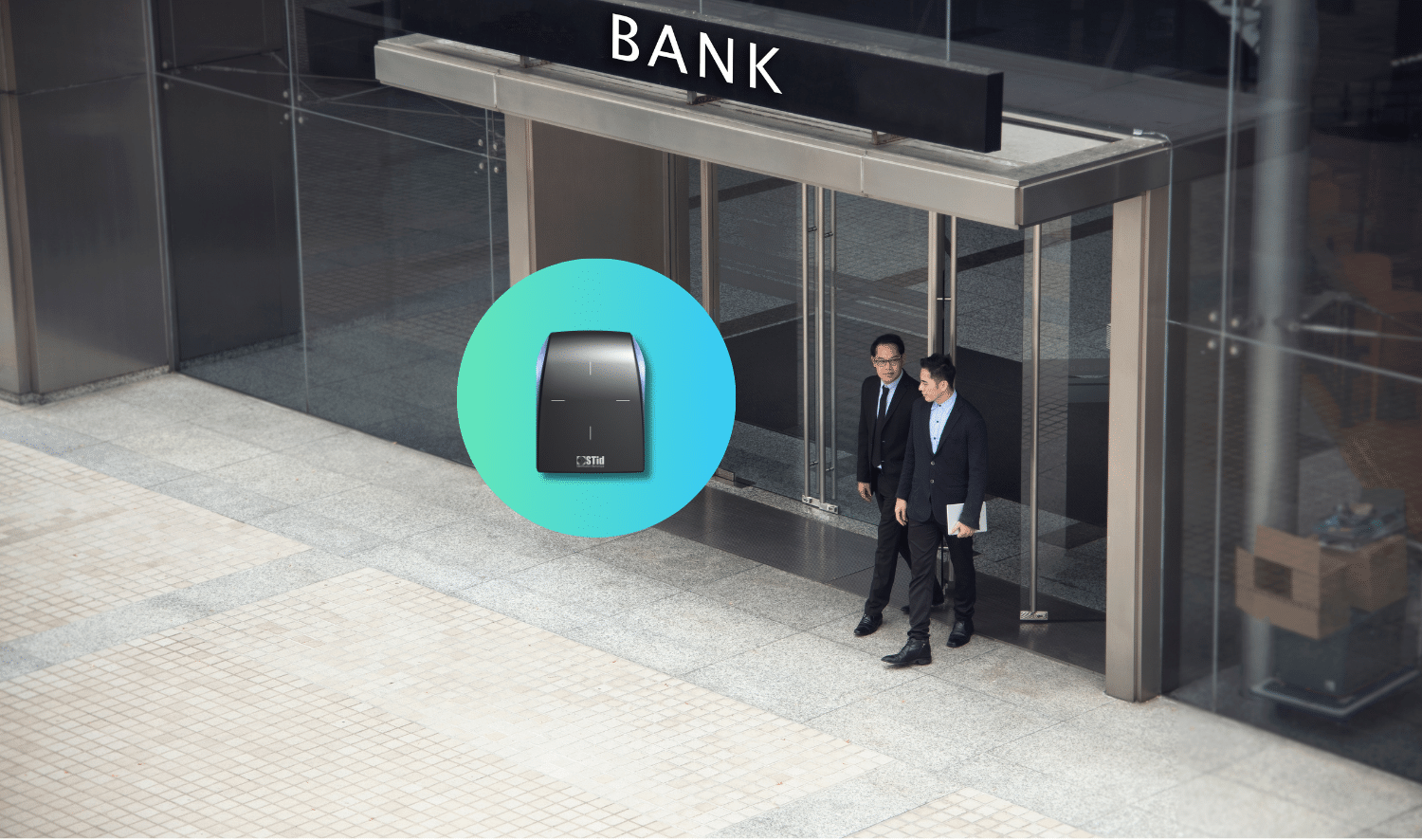
Physical Security: The First Line of Defense
Even highly secure digital infrastructure can remain vulnerable if the physical access points protecting it are not secured to the same standard.
In this context, physical access control should be considered a first layer of defense for the information system. It is no longer simply about securing doors, but about precisely controlling who can access a specific area, under what conditions, and at what time.
This convergence of physical security and cybersecurity is becoming increasingly important as threats grow more hybrid. A physical security breach can have direct consequences for digital security and, more broadly, for business continuity.

Managing Identities and Access
Banking environments involve a wide range of users: employees, administrators and privileged users, maintenance contractors, external service providers, and business partners.
Each may require different access rights, sometimes limited to specific areas or time periods. Access management therefore needs to be sufficiently granular to enforce a fundamental principle: the right person, in the right place, at the right time.
This means managing access rights, temporary permissions, and identity lifecycles while maintaining complete event traceability. In the event of an incident, knowing who accessed which area and when is essential for investigation, auditing, and risk management.
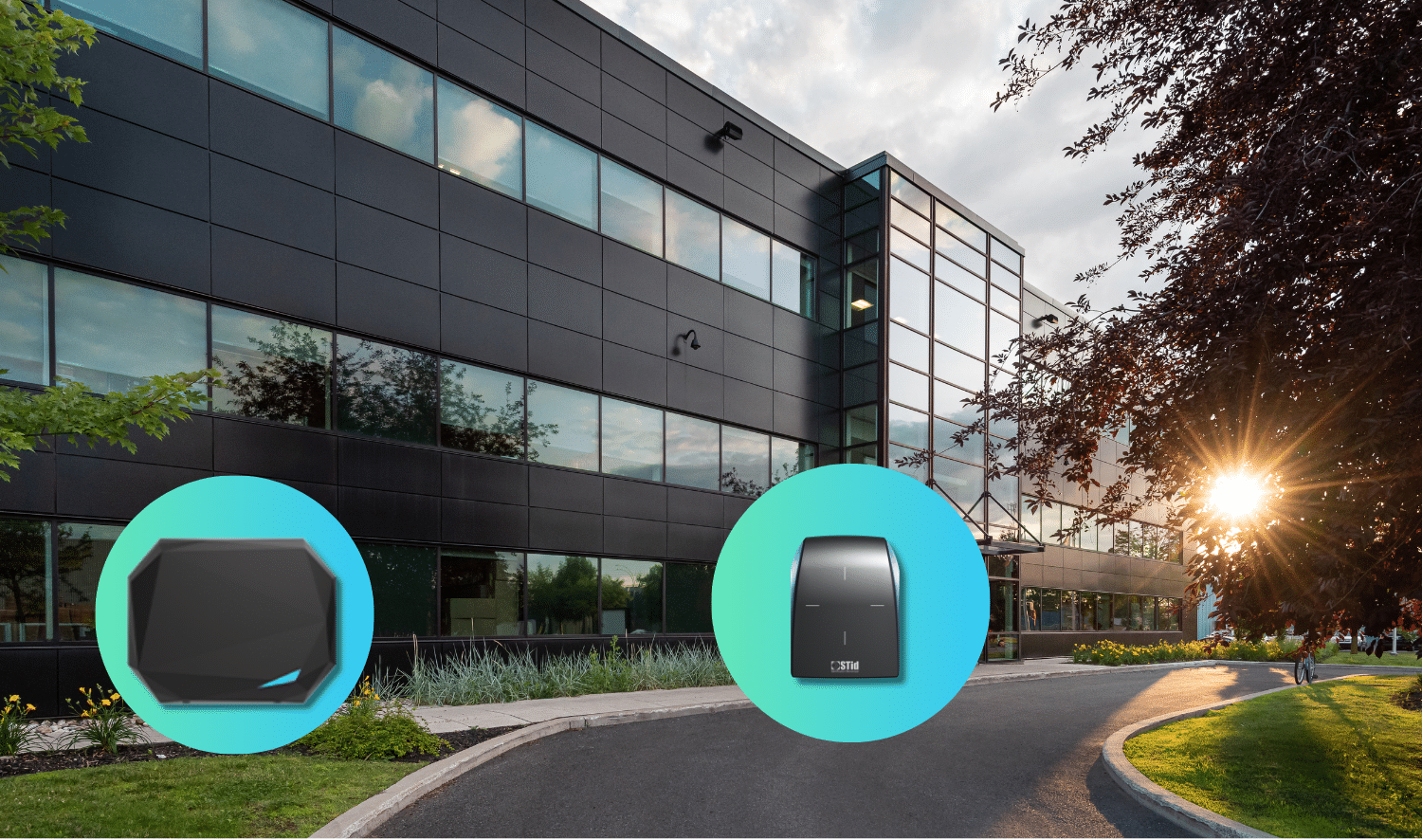
Regulatory Requirements Reinforcing This Approach
This holistic approach to security also reflects the evolution of the European regulatory landscape.
With NIS2 and DORA, financial institutions are adopting a broader approach to risk management, bringing together cybersecurity, physical security, business continuity, and operational resilience.
Physical access control is therefore becoming a genuine pillar of cyber resilience. It must integrate with existing security ecosystems and contribute to a consistent, connected view of risk rather than operating as an isolated system.

From Physical Security to Digital Identity
For banks, the challenge is to move beyond a traditional approach to access control. Every access point forms part of the organization’s overall security architecture: a door, server room, data center, or technical facility can represent a critical point that needs to be protected.
To address these challenges, STid provides an end-to-end approach to access security, from identification to access control. STid readers help secure entry points, including outdoor access points, while their modular design makes it possible to adapt solutions to different environments, operational constraints, and security requirements.
This approach also extends to digital identity, with certified digital credentials designed to provide a high level of data protection. Financial institutions can therefore deploy an access control ecosystem that can evolve alongside their infrastructure, usage requirements, and security needs.
Today, protecting an information system is not only about securing its data and digital infrastructure.
It also starts with controlling who can physically access it.
Discover our taylor made solutions
Explore solutions specifically developed to support your day-to-day operational and security needs
Similar articles
-
 All Products
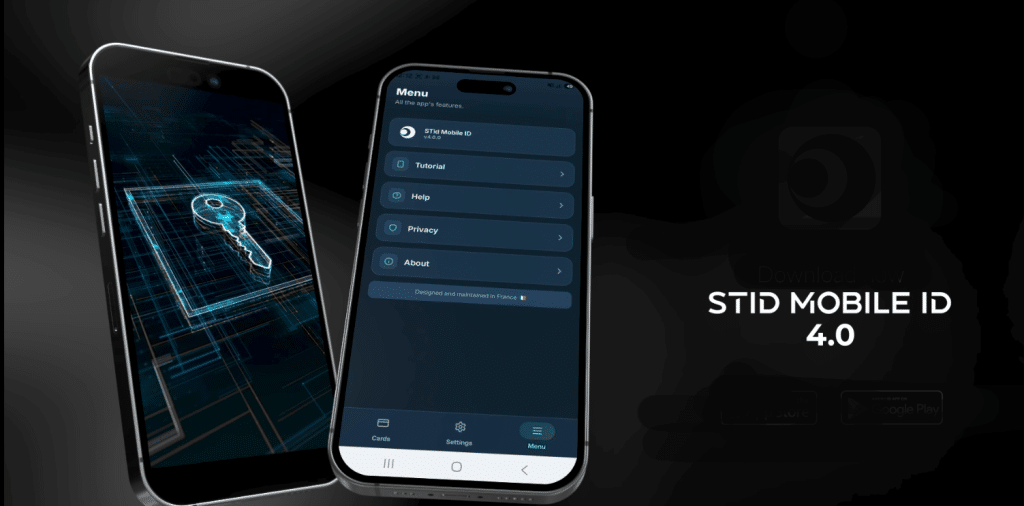
STid Mobile ID evolves : new design, new features, new experience
Discover STid Mobile ID’s new version : new user experience, new features – an evolution designing a new era for mobile access.
-
 All Products
UHF : How Can You Identify Every Vehicle on Your Site?
Discover how our UHF readers allows an authentication of all type of vehicles thanks its unique technology
-
 All Products
UHF Visitor Management: How Can You Secure Vehicle Access Without Creating Queues?
Discover how our UHF readers optimise your visitor access management – without any security issue.
-
 All Products
UHF Vehicle Access: How Can You Streamline Entry Without Compromising Security?
Discover how our UHF readers help you to streamline your vehicle accesses without compromising your security.
-
 All Products
Banking: Access Control, When Physical Security Becomes a Cybersecurity Issue
Discover why physical access control is becoming a key pillar of cybersecurity and operational resilience in the banking sector, from critical infrastructure to digital identity
-
 All Products
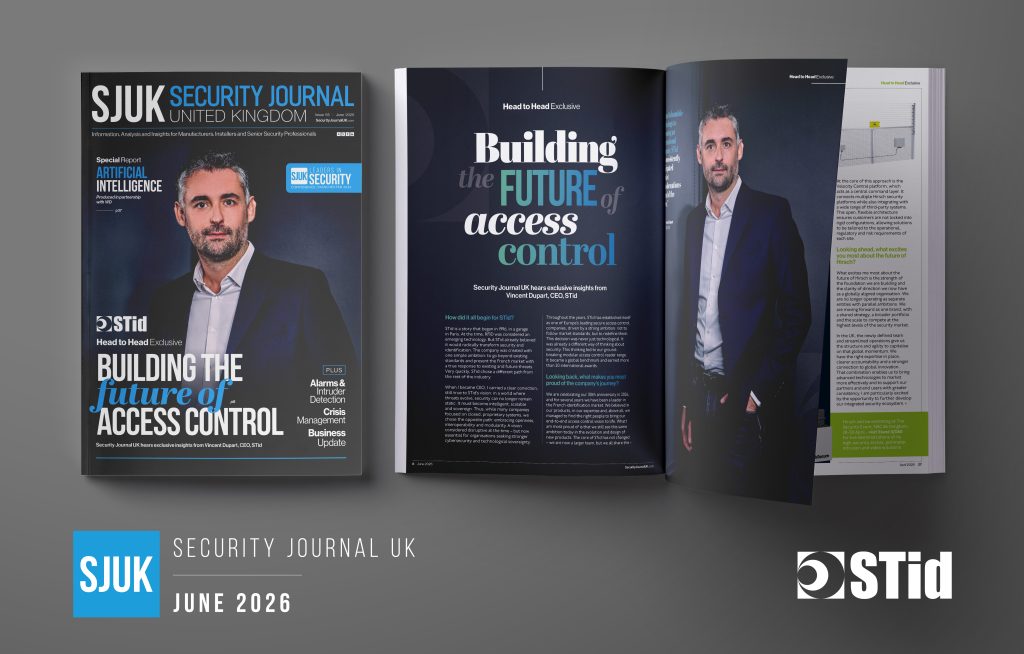
STid’s CEO: “Building the Future of Access Control”
Vincent Dupart latest interview on Security Journal UK




Need help? Contact us
Still looking for product information? Start by consulting our FAQ.
Still no answer? Don’t hesitate to contact us