


Securing Hospitaux : Facing new security threats
Healthcare facilities are among the most challenging environments to secure. Every day, they welcome hundreds—or even thousands—of patients, visitors, contractors, and healthcare professionals. Unlike many other critical infrastructures, hospitals must remain open and accessible to ensure rapid patient care, especially in emergency situations.
Yet this operational necessity creates a major security challenge: how do you protect sensitive areas without slowing down care delivery?

Securing hospitals : the threats
Imagine the path of a malicious individual.
They can enter the hospital without raising suspicion, move freely through public areas, and get close to critical zones. Within seconds, they may reach a treatment room or a medical workstation and plug in a compromised USB device, instantly launching a cyberattack.
Even worse, if technical areas are not adequately protected, an attacker could physically access strategic infrastructure such as a data center and bypass the cybersecurity measures protecting the network.
This perfectly illustrates the rise of hybrid threats, attacks that combine physical intrusion with digital compromise.

Consequences of an attack
The consequences extend far beyond cybersecurity. A successful breach can disrupt critical medical applications, delay patient care, expose sensitive healthcare data, and tie up IT teams for days, or even weeks.
- Following the cyberattack it suffered in 2022, the South Francilien Hospital Center had to spend more than €1 million dealing with the aftermath of the data breach.
- More recently, Armentières Hospital saw the personal data of nearly 230,000 patients stolen. Beyond the financial impact, incidents like these have long-lasting consequences for operations and public trust.
Added to this are remediation costs, business disruption caused by service outages, potential regulatory penalties, and lasting damage to the confidence of patients, staff, and partners.
Securing every access point
In healthcare, where every minute matters, the cost of an attack cannot simply be measured in financial terms: it can directly affect the continuity of care.
To address these risks, every access point must be protected with a level of security appropriate to its criticality.
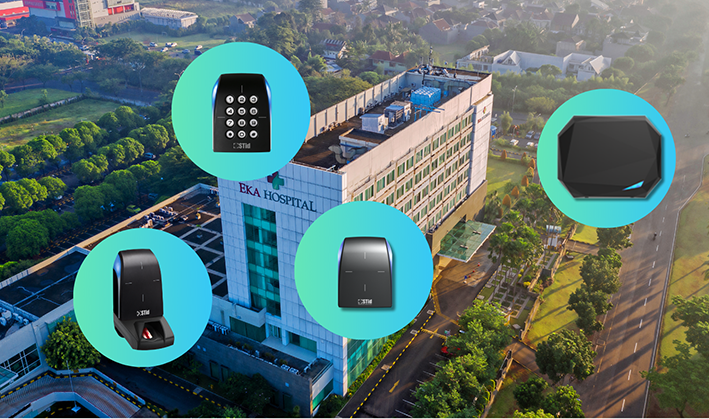
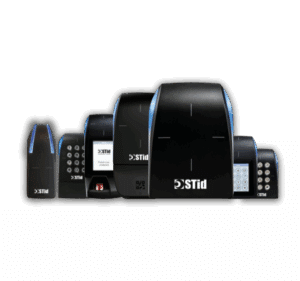
- At emergency entrances, STid Architect and Spectre readers provide secure access control while maintaining the smooth flow essential to hospital operations.
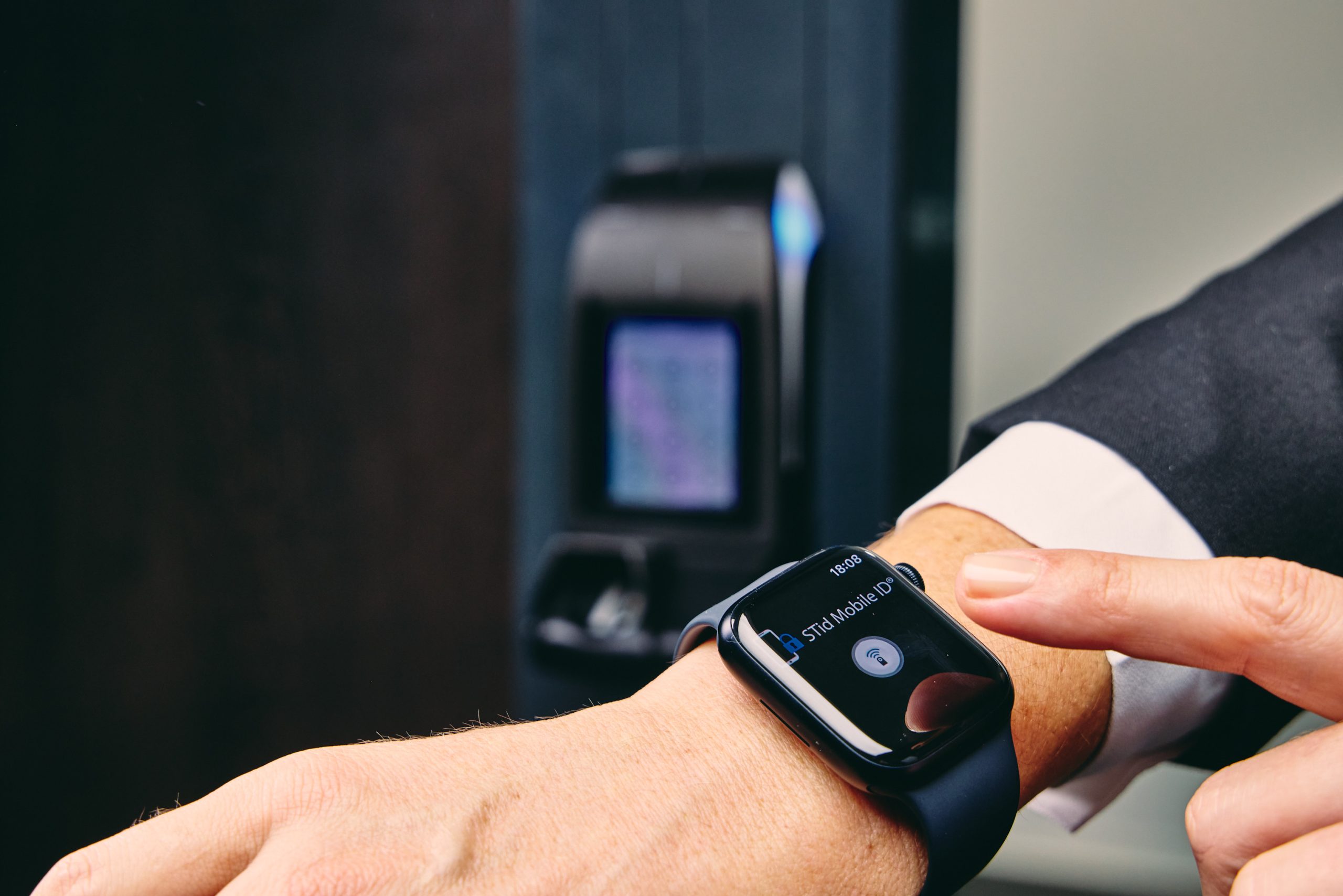
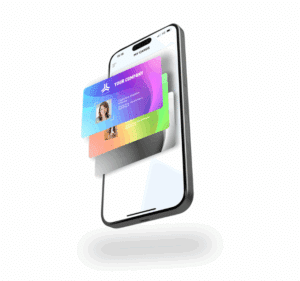
- For staff-only areas, such as nursing stations or administrative offices, STid Mobile ID, our secure digital identity platform, enables fast and convenient authentication directly from a smartphone. When higher security is required, it can be combined with an Architect reader featuring PIN-code authentication.
- In highly sensitive environments, such as data centers or critical technical rooms, biometric authentication using an Architect reader equipped with a biometric module provides an additional layer of assurance, ensuring that only authorized personnel can access strategic resources.

STid : Smarter Security Answers
Today, hospital security can no longer rely solely on physical protection or cybersecurity alone. It requires a holistic approach that secures every step of the user journey—from the building entrance to the most critical infrastructure.
At STid, we design secure identity solutions that help healthcare organizations reduce both operational and cyber risks, protect critical infrastructure and sensitive data, while preserving a seamless user experience and uninterrupted patient care.
Because in healthcare, security is not just about preventing intrusions—it is also about ensuring operational continuity and maintaining trust across the entire healthcare ecosystem.
Discover our taylor made solutions for hospitals
Explore solutions specifically developed to support your day-to-day operational and security needs
Similar articles
-
 All Products
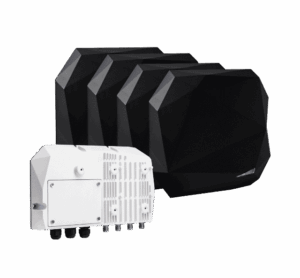
UHF : How Can You Identify Every Vehicle on Your Site?
Discover how our UHF readers allows an authentication of all type of vehicles thanks its unique technology
-
 All Products
UHF Visitor Management: How Can You Secure Vehicle Access Without Creating Queues?
Discover how our UHF readers optimise your visitor access management – without any security issue.
-
 All Products
UHF Vehicle Access: How Can You Streamline Entry Without Compromising Security?
Discover how our UHF readers help you to streamline your vehicle accesses without compromising your security.
-
 All Products
Banking: Access Control, When Physical Security Becomes a Cybersecurity Issue
Discover why physical access control is becoming a key pillar of cybersecurity and operational resilience in the banking sector, from critical infrastructure to digital identity
-
 All Products
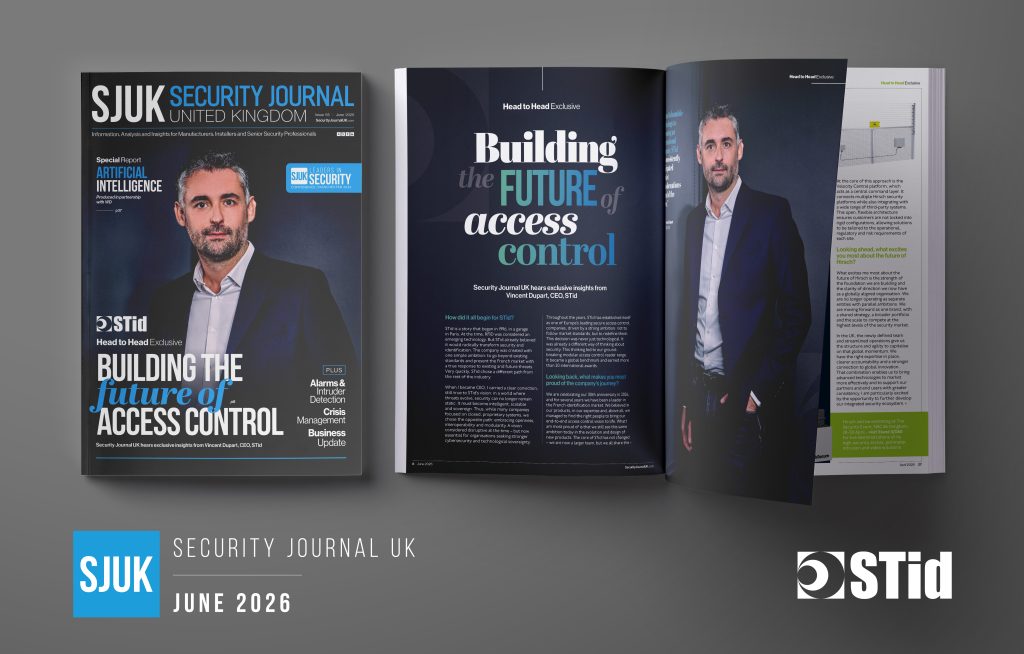
STid’s CEO: “Building the Future of Access Control”
Vincent Dupart latest interview on Security Journal UK




Need help? Contact us
Still looking for product information? Start by consulting our FAQ.
Still no answer? Don’t hesitate to contact us