

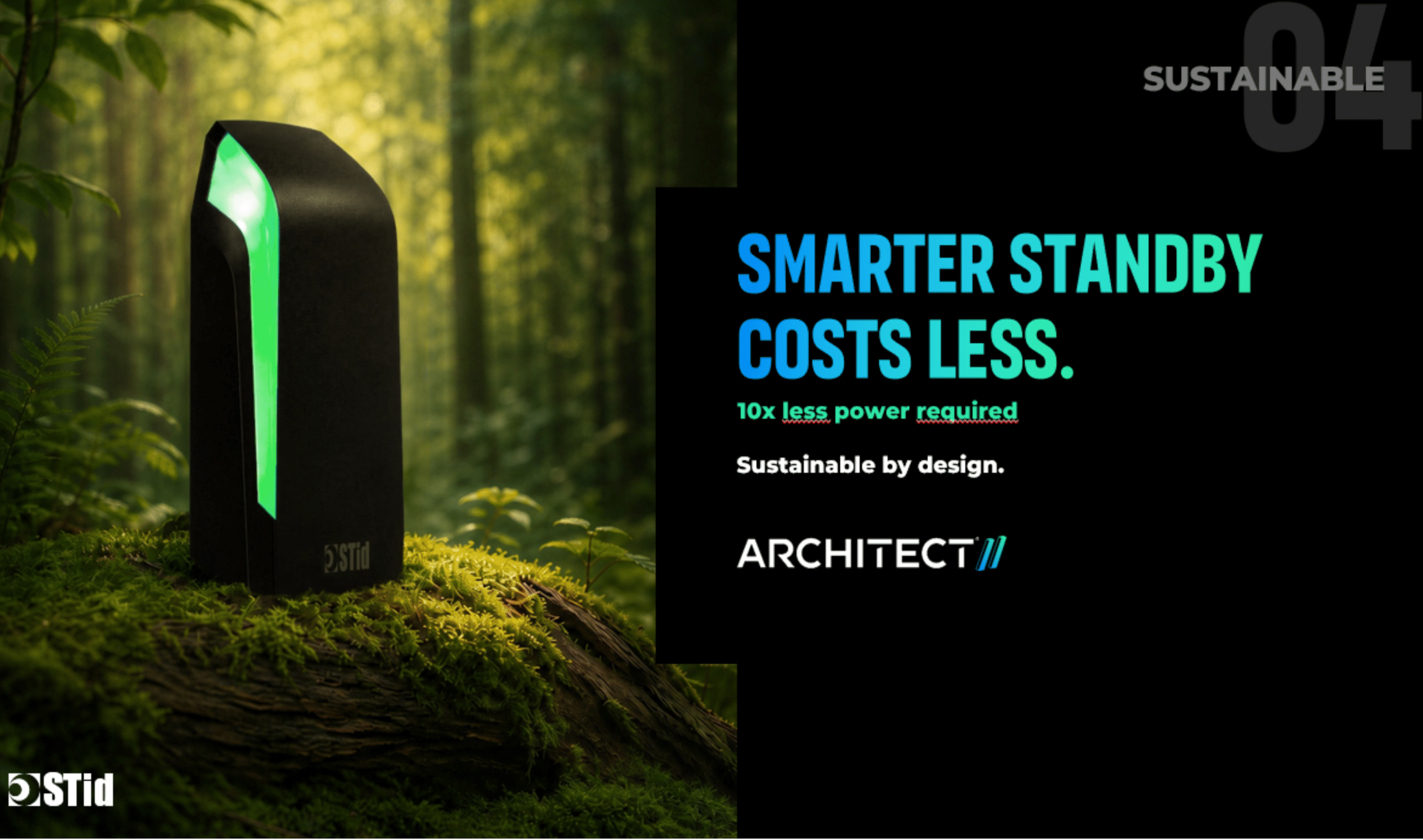
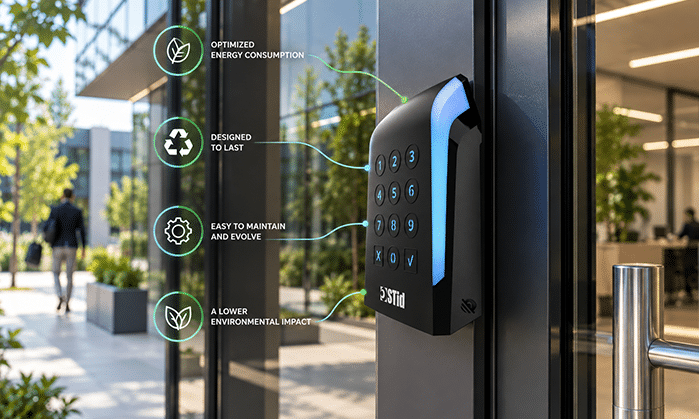
An access control reader operates 24 hours a day, 365 days a year. So reducing its environmental impact starts with looking at the energy it consumes throughout its lifetime.
Access control readers are installed for years, sometimes across hundreds or thousands of access points. Over their lifetime, the energy they consume, the materials they use, the maintenance they require and ultimately their replacement all contribute to their environmental impact. So designing a more sustainable reader means looking at its entire lifecycle. With Architect® II, STid has taken this approach from the very beginning: reduce energy consumption, extend product life and avoid unnecessary hardware replacement wherever possible. This is Sustainable by design.
Less energy. Lower impact.
A reader operates continuously, 24 hours a day, 365 days a year. Individually, reducing its energy consumption can seem like a small improvement. Across a large installed fleet and over several years of operation, however, the impact can become significant. Architect® II integrates intelligent low-power management that reduces energy consumption when full reader performance is not required. In standby mode, this approach enables up to 10× lower power consumption, helping reduce the energy footprint of the access control infrastructure without compromising everyday availability. One reader consumes less.
Multiply that by hundreds of readers and thousands of hours of operation, and every watt matters.
Evolve more. Replace less.
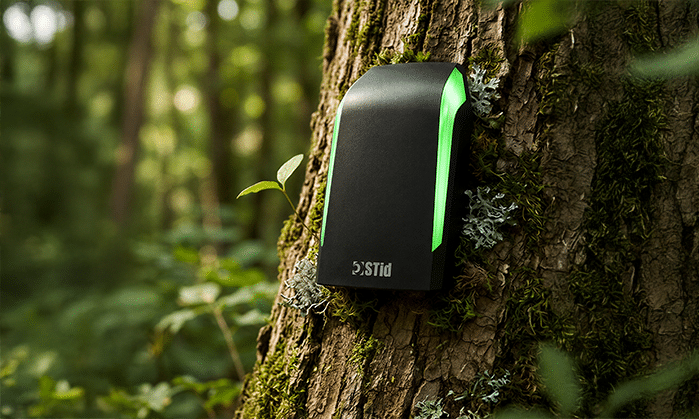
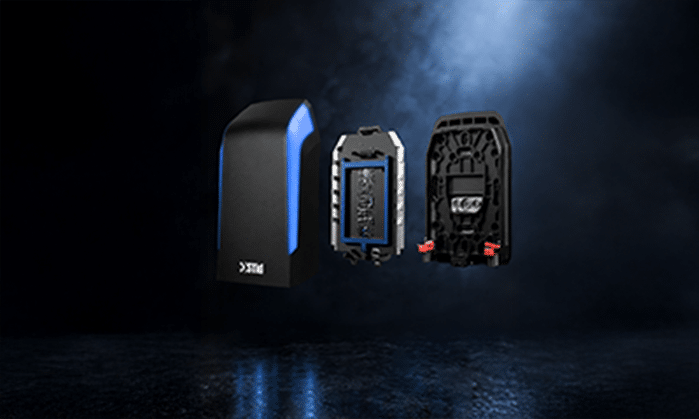
Energy consumption is the main environmental impact identified through the Life Cycle Assessment, but sustainability also means making better use of the resources already deployed. One way to do that is simply to keep products in operation for longer. This principle is at the heart of Architect® II. Its modular hardware architecture allows capabilities to evolve without necessarily replacing the entire reader. Internal and external modules can extend its possibilities, while interchangeable components can adapt the product to new requirements.
And evolution goes beyond hardware. Powered by GraphCore™, new capabilities can also be activated through software, configurations, applets and Functional Licenses. When requirements change, replacing the reader should not be the default answer. Upgrade what you need. Keep what still works.
Designing to evolve means designing to last
Technology changes quickly. Security infrastructures should not have to be replaced every time it does. By designing Architect® II as an evolutive platform, STid helps extend the useful life of the reader while reducing unnecessary replacement projects and the electronic waste associated with them. A new credential technology, protocol or functionality does not automatically have to mean new hardware. This approach can also reduce the impact associated with replacement: fewer devices to manufacture and transport, fewer interventions on site and fewer existing products reaching end-of-life prematurely.
Use less energy. Make better use of what is already installed.
Environmental impact considered from the start
Sustainability cannot be reduced to a single feature or specification. It requires understanding the environmental impact of a product throughout its entire lifecycle. That is why Life Cycle Assessment (LCA) is used to help guide the eco-design approach behind Architect® II. Materials, manufacturing, energy consumption, packaging and end-of-life are considered to identify where the most significant environmental impacts occur and where design choices can help reduce them. This approach also extends to the packaging. Architect® II packaging is made from recycled and recyclable materials and printed using vegetable-based inks, helping reduce its environmental impact beyond the product itself.
Rather than addressing environmental performance after the product has been designed, this approach integrates it directly into the development process. Because reducing impact starts with understanding where it comes from.
Designing for tomorrow also means designing to last
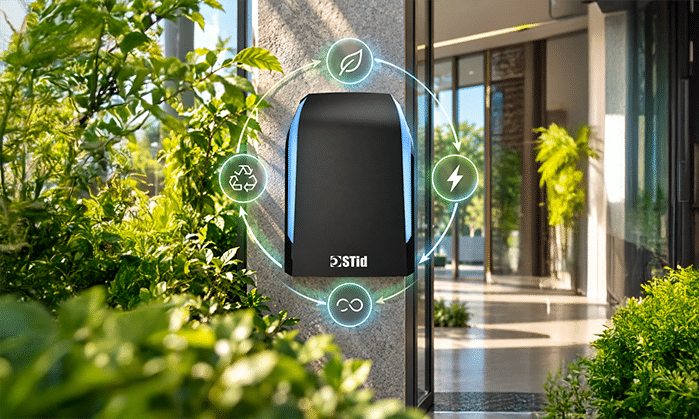
Sustainability and performance should not be competing objectives. A reader must remain secure, reliable and capable of adapting to new requirements. But reducing its environmental impact requires action throughout its lifecycle. Lower energy consumption addresses the most significant impact during use. Modularity helps extend its useful life. Software-enabled evolution reduces unnecessary hardware replacement. Recycled and recyclable packaging and vegetable-based inks help address impact beyond the product itself. And Life Cycle Assessment helps identify where further improvements can be made. Together, these principles create a more comprehensive approach to product sustainability.
Every watt matters. Every design choice matters.
A more sustainable access control infrastructure is not built through a single feature. It comes from design decisions made throughout the product lifecycle.
Consume less. Evolve more. Replace less. Last longer.
Architect® II has been designed to reduce energy consumption during operation while remaining capable of evolving with tomorrow’s requirements. Because sustainability starts with reducing the impact that matters most – without ignoring the rest.
Less energy. Longer lifecycle. Smarter design.
Sustainable by design.
Discover our taylor made solutions
Explore solutions specifically developed to support your day-to-day operational and security needs
Similar articles
-
 All Products
What if your access control reader could evolve at your own pace?
Discover Architect® II, the access control reader designed to evolve with your needs, embrace new technologies and deliver a simpler, more secure and future-ready experience.
-
 All Products
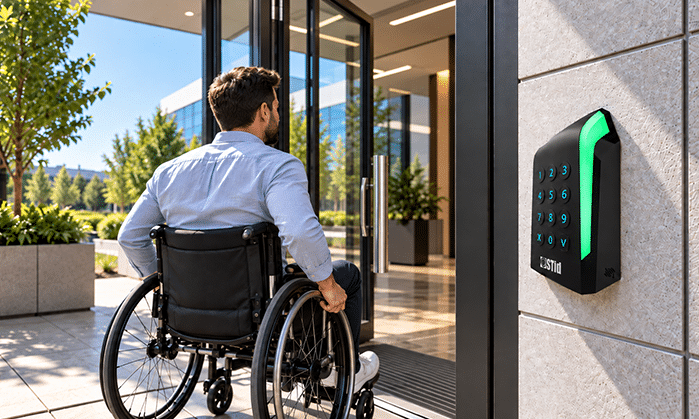
What if secure access was truly accessible to everyone?
Discover how Architect® II puts accessibility at the heart of access control, combining visual, audio and tactile feedback to create a more intuitive and inclusive experience for everyone.
-
All Products
What if a more sustainable access control reader started by consuming less?
Discover how Architect® II combines lower energy consumption, modular design and software-enabled evolution to extend product life, reduce unnecessary hardware replacement and minimize environmental impact throughout its lifecycle.
-
 All Products
What if access control could be simpler at every step?
Discover how Architect® II makes access control simpler at every step, from installation and integration to configuration, deployment and everyday use, supported by STid tools and services throughout the entire lifecycle.
-
 All Products
What if your access control reader could anticipate tomorrow’s threats?
Discover Architect® II, the access control reader designed to anticipate evolving threats, adapt to new security requirements and deliver long-lasting protection for your access control infrastructure.
-
 All Products
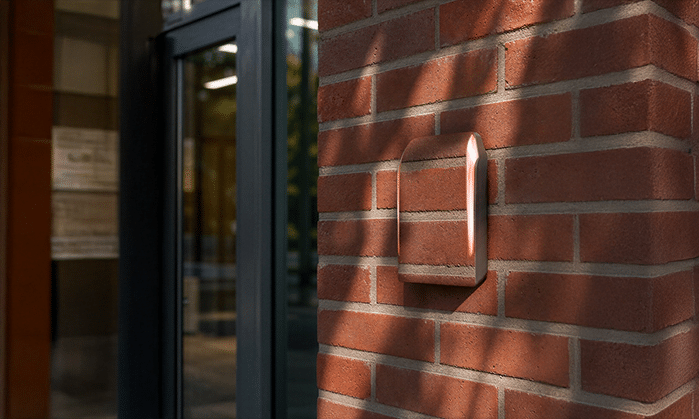
What if your access control reader became a true expression of your identity?
Discover how Architect® II turns access control into an expression of your identity, combining customizable design, colors, materials, lighting and interactions to create a unique experience that reflects your brand.
-
 All Products
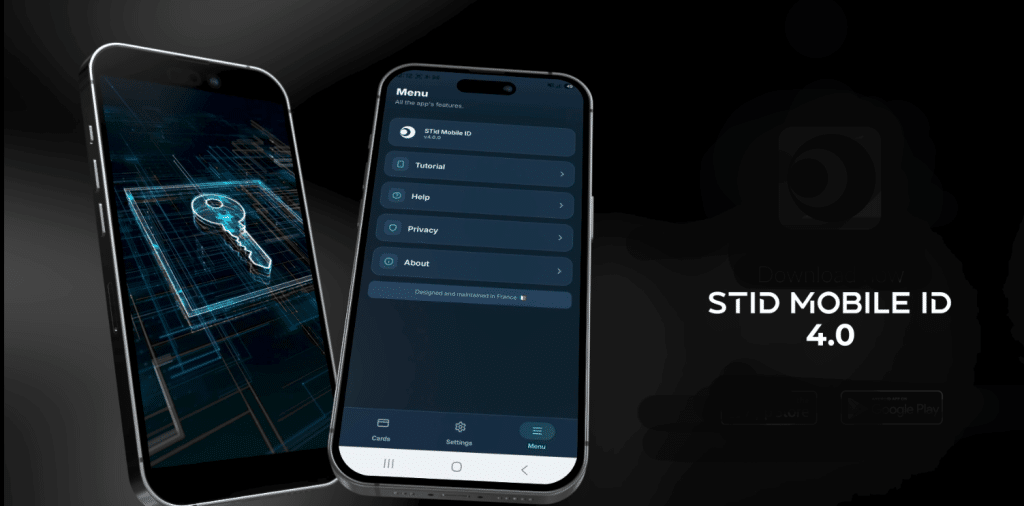
STid Mobile ID evolves : new design, new features, new experience
Discover STid Mobile ID’s new version : new user experience, new features – an evolution designing a new era for mobile access.
-
 All Products
UHF : How Can You Identify Every Vehicle on Your Site?
Discover how our UHF readers allows an authentication of all type of vehicles thanks its unique technology
-
 All Products
UHF Visitor Management: How Can You Secure Vehicle Access Without Creating Queues?
Discover how our UHF readers optimise your visitor access management – without any security issue.
-
 All Products
UHF Vehicle Access: How Can You Streamline Entry Without Compromising Security?
Discover how our UHF readers help you to streamline your vehicle accesses without compromising your security.
Need help? Contact us
Still looking for product information? Start by consulting our FAQ.
Still no answer? Don’t hesitate to contact us