

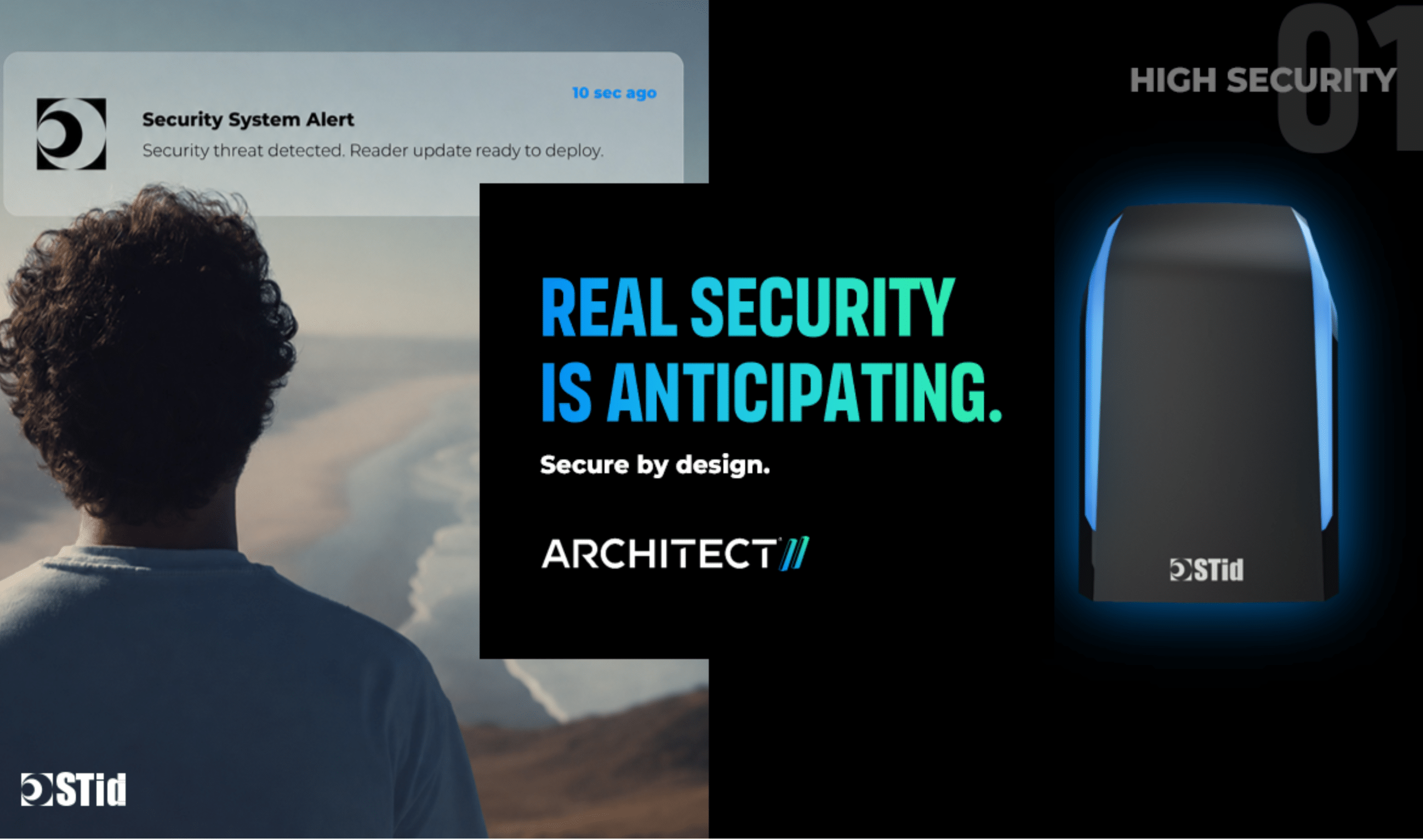
Security threats evolve. Regulations become more demanding. Attack techniques grow more sophisticated. So why should security only respond to what we already know?
An access control reader is more than an identification device. Installed at the entrance to a building, restricted area or critical infrastructure, it is the visible and exposed edge of the access control system. It interacts with credentials, handles sensitive information, communicates with the access control system and operates in environments where physical and digital attacks can meet. Protecting it therefore means looking beyond today’s threats. With Architect® II, security is not an additional feature. It is embedded into the architecture from the very beginning.
This is Secure by design.
Security starts at the core
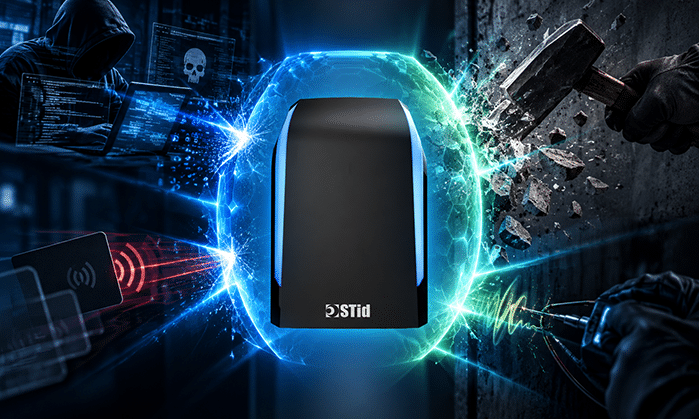
A truly secure reader must protect every layer of its operation: credentials, cryptographic keys, software, communications and even the physical integrity of the device itself. Architect® II has been designed around this principle. Sensitive cryptographic operations and keys are protected within a highly certified EAL6+ Secure Element architecture, creating a dedicated trusted environment at the heart of the reader. At startup, a hardware root of trust verifies the integrity and authenticity of the software before it is executed, helping ensure that the reader starts from a trusted state. Firmware integrity is also protected through signed firmware and anti-rollback mechanisms, designed to prevent unauthorized, modified or obsolete firmware from being executed.
Security is not simply added on top of the reader.
It starts from its foundations.
Your security. Your keys.
Protecting against physical threats too
Cybersecurity is only part of the challenge. Because access control readers are installed in exposed environments, they must also be able to detect attempts to physically manipulate, remove or open them. Architect® II integrates dual tamper protection, combining a smart opening switch with an accelerometer. These mechanisms can operate independently or together to detect different types of physical events from opening the reader to removing or moving it. Depending on the security policy, a detected event can trigger actions such as cryptographic key deletion and/or an alert to the access control system.
The reader does not simply protect access.
It protects itself too.
A modular architecture without compromising security
Modularity creates flexibility, but it should never introduce a new security weaknesses. Architect® II therefore extends its security principles to every component of its modular architecture. Internal and external modules must perform mutual authentication with the reader core before communication can take place. Whether adding biometrics, QR Code or another capability, the reader verifies that the module is trusted before allowing it to interact with the system. This helps protect the architecture against unauthorized substitution while preserving the flexibility to evolve the reader over time.
More possibilities should never mean more vulnerabilities. Your security. Your keys.
Strong security also means maintaining control over one of the most sensitive elements of an access control infrastructure: cryptographic keys. Architect® II is designed to preserve customer control over keys and credential security rather than locking security into a closed proprietary model. This approach gives organizations greater control over their security architecture while supporting interoperability and long-term infrastructure strategies. Because security should not depend on being locked into a technology. It should depend on who controls it.

Real security is anticipating.
Built for today’s requirements. Ready for tomorrow’s.
Security requirements never stand still. New threats emerge. Cybersecurity regulations evolve. Standards become more demanding. What is considered secure today may no longer be sufficient tomorrow. That is why Architect® II has been designed not only to address today’s security requirements, but also to adapt as regulations, standards and threats evolve worldwide. Its combination of hardware-based security, protected cryptographic operations, software integrity controls, authenticated modules and customer-controlled keys creates a security foundation designed for the long term.
Securing an access control infrastructure is not simply about responding to an attack once it happens. It is about reducing the attack surface, protecting every layer of the architecture and preparing the infrastructure for threats that may not yet exist.
That is the philosophy behind Architect® II.
Protect the credentials. Protect the keys. Protect the software. Protect the hardware. Protect the communications.
Because real security is not only about protecting against today’s threats.
It is about being ready for tomorrow’s.
Secure by design.
Discover our taylor made solutions
Explore solutions specifically developed to support your day-to-day operational and security needs
Similar articles
-
All Products
What if your access control reader could anticipate tomorrow’s threats?
Discover Architect® II, the access control reader designed to anticipate evolving threats, adapt to new security requirements and deliver long-lasting protection for your access control infrastructure.
-
 All Products
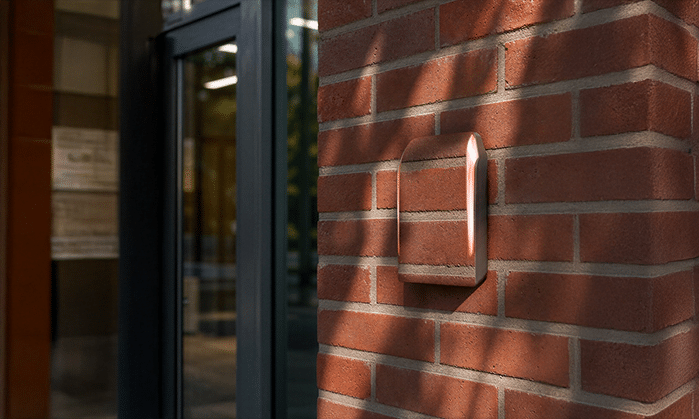
What if your access control reader became a true expression of your identity?
Discover how Architect® II turns access control into an expression of your identity, combining customizable design, colors, materials, lighting and interactions to create a unique experience that reflects your brand.
-
 All Products
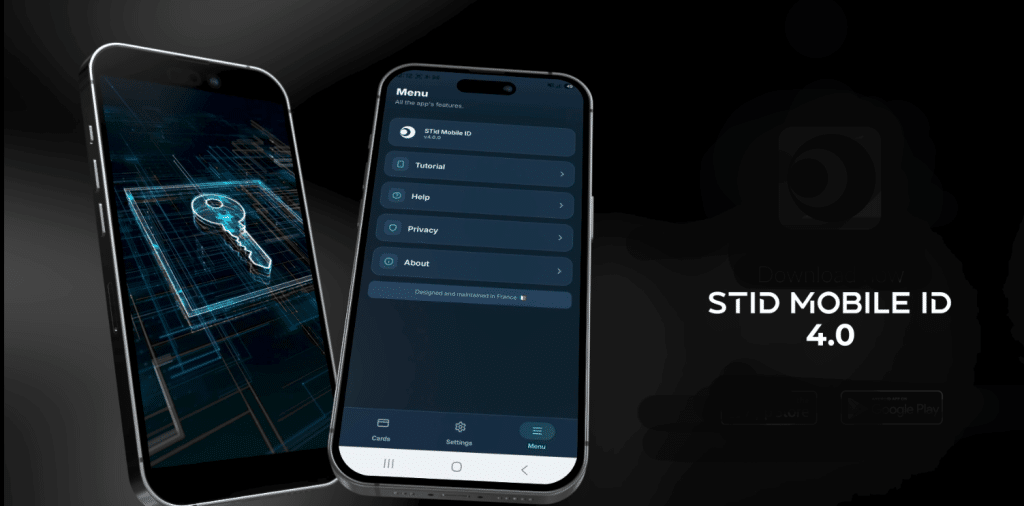
STid Mobile ID evolves : new design, new features, new experience
Discover STid Mobile ID’s new version : new user experience, new features – an evolution designing a new era for mobile access.
-
 All Products
UHF : How Can You Identify Every Vehicle on Your Site?
Discover how our UHF readers allows an authentication of all type of vehicles thanks its unique technology
-
 All Products
UHF Visitor Management: How Can You Secure Vehicle Access Without Creating Queues?
Discover how our UHF readers optimise your visitor access management – without any security issue.
-
 All Products
UHF Vehicle Access: How Can You Streamline Entry Without Compromising Security?
Discover how our UHF readers help you to streamline your vehicle accesses without compromising your security.
-
 All Products
Banking: Access Control, When Physical Security Becomes a Cybersecurity Issue
Discover why physical access control is becoming a key pillar of cybersecurity and operational resilience in the banking sector, from critical infrastructure to digital identity



Need help? Contact us
Still looking for product information? Start by consulting our FAQ.
Still no answer? Don’t hesitate to contact us